
Ushuaia weather: read the climate reference correctly
Ushuaia weather can change quickly, and Patagonian wind matters when planning time on the Beagle Channel or in the mountains. The monthly table below gives historical context, not a forecast. Its source is the Argentine meteorological service's climate publication issued in June 2023. Although the volume is labelled 1991 to 2020, the Ushuaia Aero station series actually covers 1997 to 2020. Treat it as an older climate reference when comparing seasons.
The maximum column is the monthly mean of daily maximum temperatures. It does not give the warmest temperature ever measured, nor a temperature every afternoon will reach. The minimum column uses the corresponding daily minima. Rainfall is the average monthly total in millimetres, rather than the number of wet days or the duration of each shower. These distinctions matter when turning a table into practical expectations for a walk or a boat trip.
Eleven monthly minimum values are marked S/D in the source. The abbreviation means that the table has no data for those entries. It does not mean zero, and the blank information should not be replaced with a nearby station or a guessed value. July's minimum is present, but that isolated observation does not supply the missing months. Keep the limitations alongside the numbers when deciding what the reference can tell you.
Monthly observations from Ushuaia Aero
Source: SMN climate normals, Ushuaia Aero, station period 1997 to 2020, published June 2023. These are historical monthly averages. S/D means missing data.
| Month | Mean daily maximum °C | Mean daily minimum °C | Mean monthly precipitation mm |
|---|---|---|---|
| January | 13.6 | S/D | 45.1 |
| February | 13.6 | S/D | 34.6 |
| March | 12.2 | S/D | 38.3 |
| April | 9.4 | S/D | 47.0 |
| May | 6.9 | S/D | 35.3 |
| June | 4.5 | S/D | 42.5 |
| July | 4.6 | 0.2 | 35.8 |
| August | 5.7 | S/D | 38.4 |
| September | 7.6 | S/D | 30.5 |
| October | 10.1 | S/D | 28.4 |
| November | 11.5 | S/D | 38.9 |
| December | 12.5 | S/D | 43.0 |
Our pick: yacht trip
The yacht trip includes a hot drink; departures depend on weather and may be cancelled.
Hand-picked tours, booked through GetYourGuide. Prices are indicative starting prices in US dollars (as of October 2026). Tap a tour for live availability and the current price in your currency.
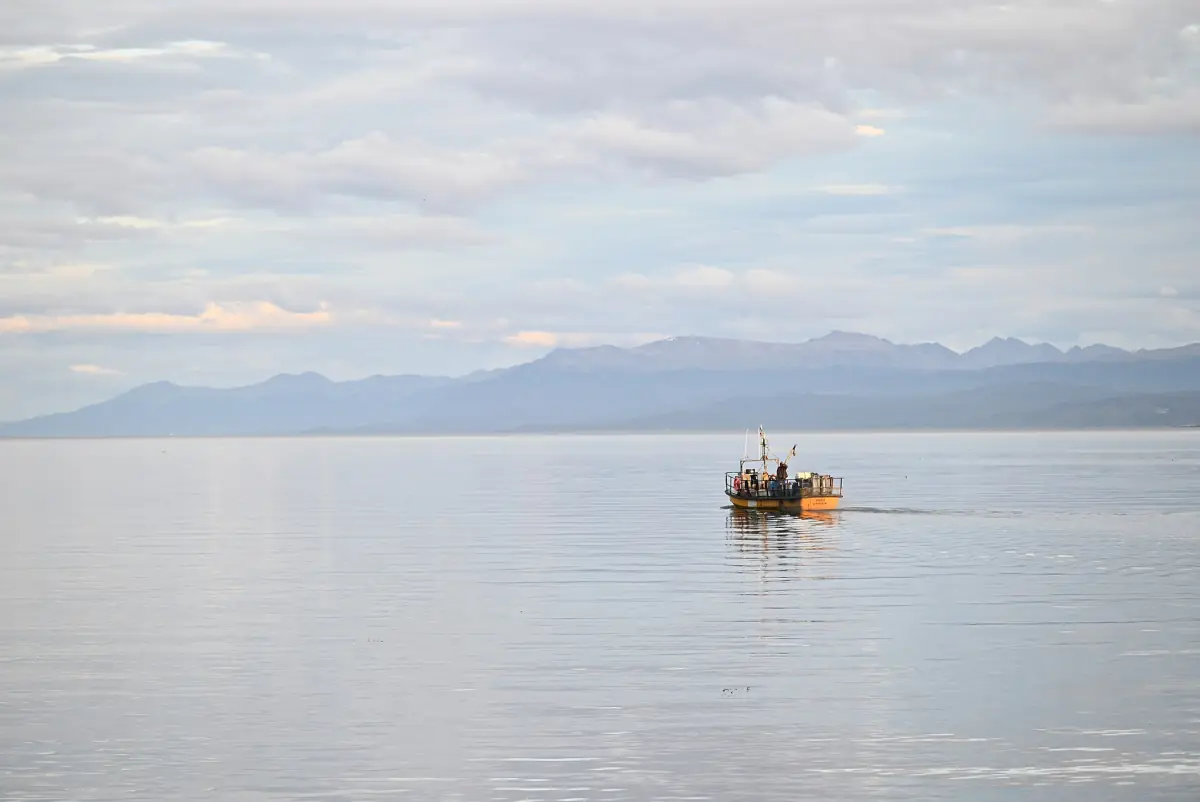
A weather-dependent yacht outing
This channel excursion includes the yacht ticket and boarding fee, a snack, a hot drink and adventure insurance; departure remains dependent on conditions.
What the monthly figures help you decide
January and February have the highest mean daily maximum in this series. October has the lowest mean monthly precipitation. Those comparisons are useful descriptions of the reference, but neither identifies a reliably calm or dry travel day. Wind needs a separate assessment from the rainfall average when deciding on a departure. Likewise, the temperature average leaves the actual snow and ice conditions on mountain trails to be assessed for the day.
Use the figures to understand the broad background to a stay, then make the activity choice separately. The best time to visit Ushuaia guide discusses that choice by boat, walking and railway interests. For the day itself, look at the forecast and the latest operating arrangements. Avoid building a plan around a precise temperature taken from a monthly average: the table describes many past observations rather than the conditions awaiting your group.
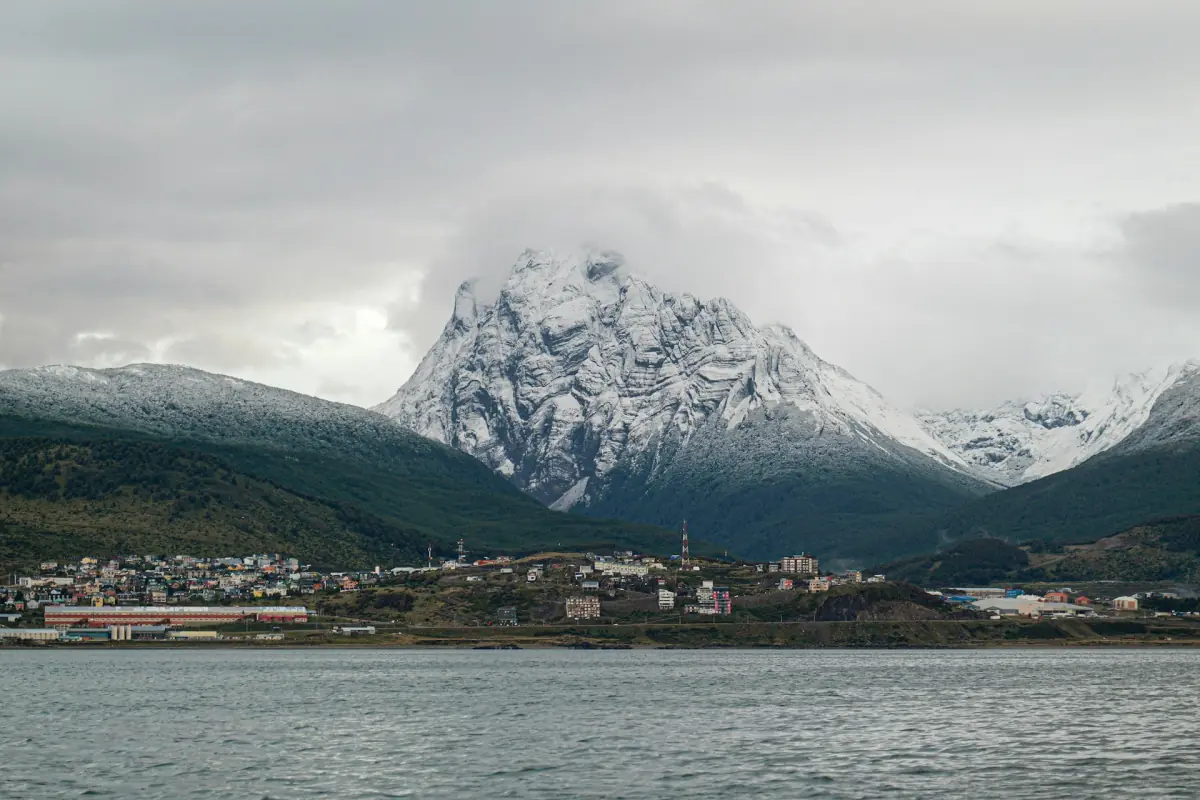
Wind, clothing and a channel departure
Warm, waterproof clothing is part of planning a channel outing. Keep that advice even when the photograph or forecast looks inviting. The yacht option on this page includes a snack and hot drink as well as its ticket, boarding fee and adventure insurance. It starts at the tourist pier, with accommodation pickup and drop-off excluded. Plan your own arrival at the meeting point rather than treating a boat ticket as a hotel transfer.
Wind and rapid weather changes can lead to a different route or a cancelled departure, including when harbour restrictions prevent sailing. The ticket does not promise a wildlife sighting or a particular view. Put an important trip early enough in your stay to leave an alternative day. The Beagle Channel cruise guide explains the different boat experiences, while the city visit guide offers ways to organise time ashore if the water-based plan changes.
Mountain conditions need their own decision
On mountain walks, autumn and winter bring the additional issues of shorter daylight, frost, mud, ice and snow. Waterproof mountain boots and warm clothing matter, and a summer date alone does not establish suitable trail conditions. The Ushuaia hiking guide separates routes by the kind of outing involved. Select a route that matches both the day and your fitness rather than transferring expectations from a short coastal walk to a demanding mountain destination.
Keep the day's plan simple enough to adapt. Look at the weather before committing to the route, preserve time for getting back and keep an alternative city activity available. Historical climate figures support preparation, while access to ice, current trail status and harbour decisions require their own information. That distinction keeps the table useful for understanding climate and gives daily operating information its proper role in choosing an activity.
Questions about the weather data
Is the table a forecast for my visit?
No. It is an older climate reference, published in June 2023, using the Ushuaia Aero station series for 1997 to 2020.
Does S/D mean a temperature of zero?
It means the source table has no data for that entry. Eleven monthly minimum values are missing and remain unfilled here.
Does lower monthly rain mean boats will sail?
Rainfall averages do not establish wind or harbour conditions. Routes may change and departures may be cancelled.