
Things to do in Ushuaia around the waterfront
The most useful way to choose things to do in Ushuaia is to separate the city itself from excursions beyond it. The waterfront brings together the tourist pier, cultural sights along Maipú and the craft market at Maipú and Lasserre. Mountain scenery forms the backdrop, but the town also deserves attention at street level. A walk focused on houses and local history offers a different experience from watching the coastline from a boat.
Start by deciding whether your priority is culture, an overview from the city train or a visit to Tierra del Fuego National Park. These choices use your time differently. Keep the return to a ship or another fixed departure in view rather than building a schedule from assumed walking times. For a wider comparison of days outside the city, use the Ushuaia tours guide.
Our picks: things to do
The city train offers an audio guide, while the historic walk includes two historic sites. Cruise passengers can choose the port excursion.
Hand-picked tours, booked through GetYourGuide and Viator. Prices are indicative starting prices in US dollars (as of October 2026). Tap a tour for live availability and the current price in your currency.
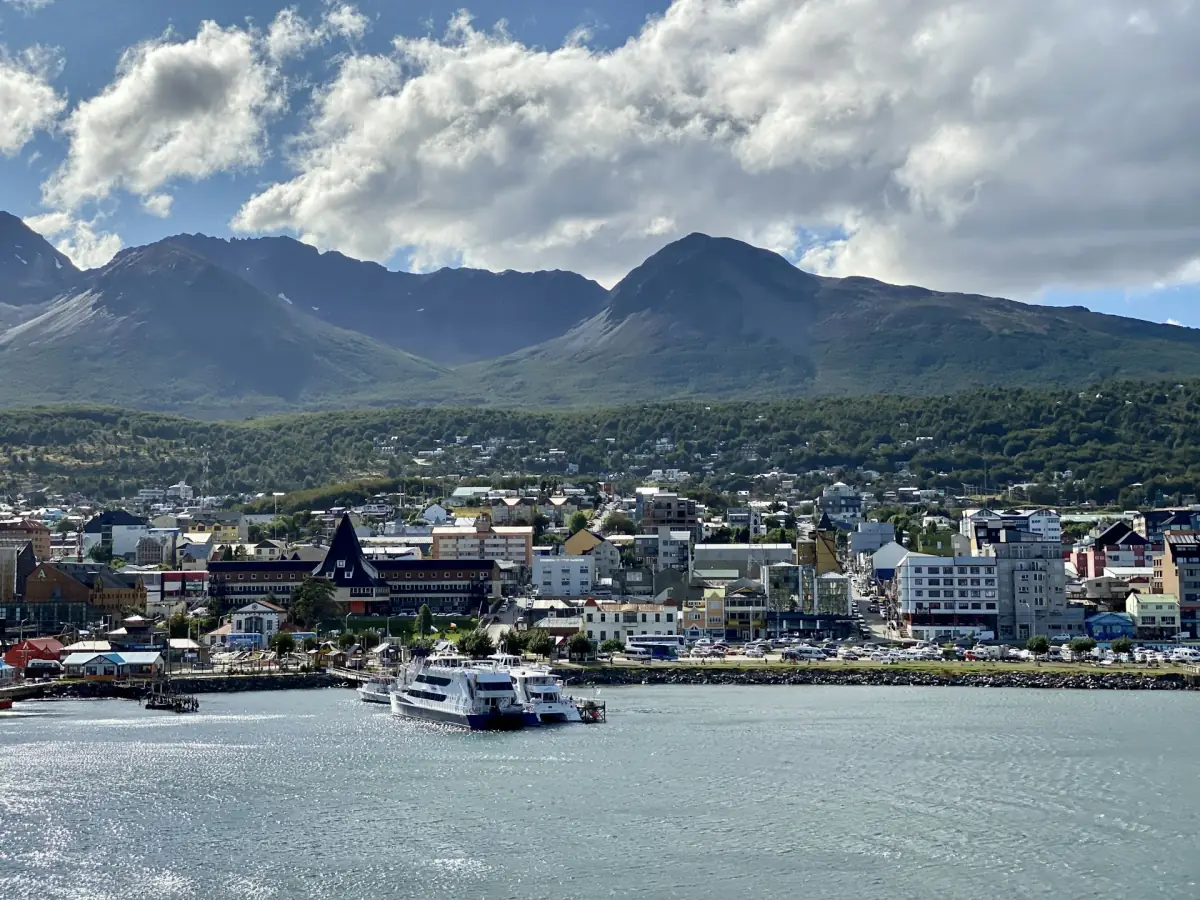
City and park from the cruise port
- Professional Tour guide
- Air-conditioned vehicle
- Snack
Meet your guide outside the port exit at the confirmed time.
Check availability →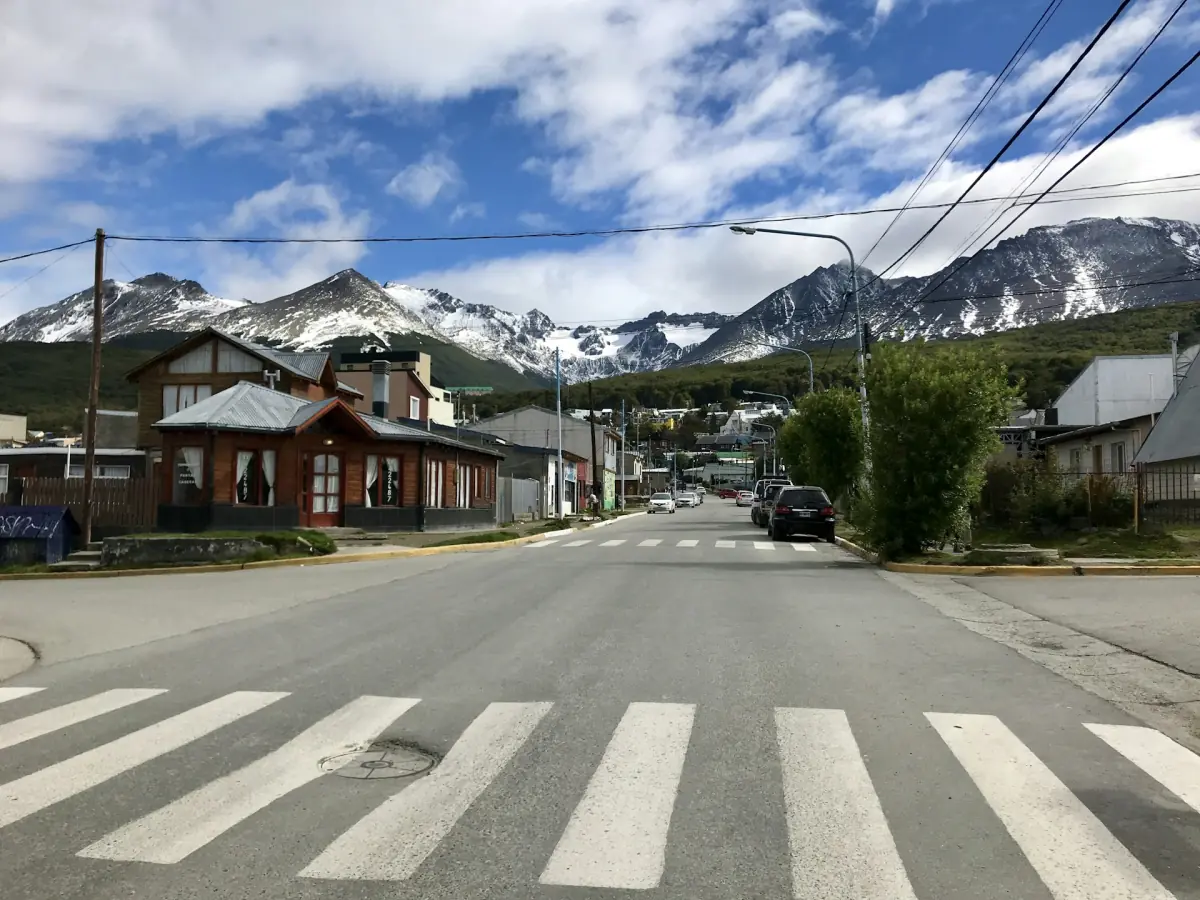
Historic Ushuaia walking tour
- Old City Museum
- Beban House
Meet at Civic Plaza for a walk through local history.
Check availability →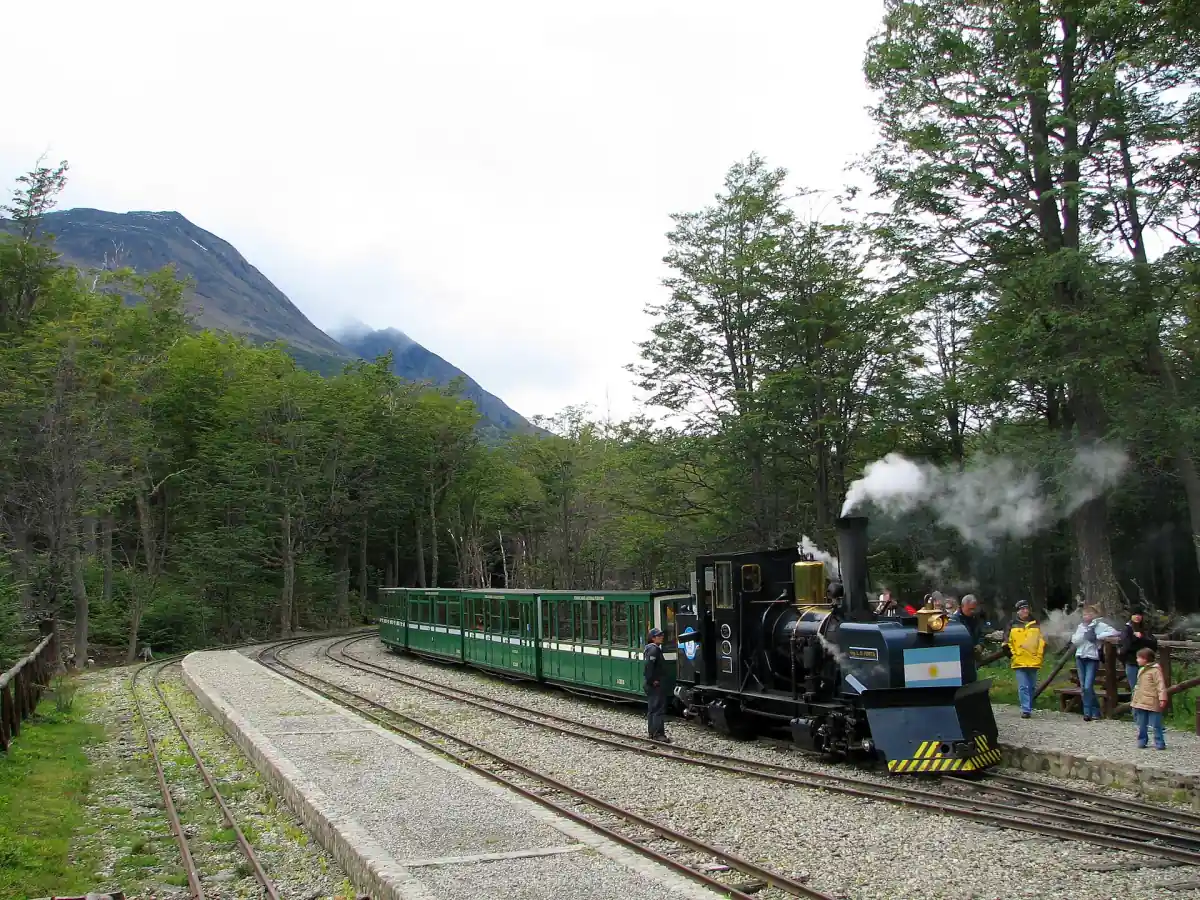
Ushuaia city train ride
- Audio-guide (English and Spanish)
- 1 cup of coffee
This city train is separate from the national park railway.
Check availability →City visits and excursions from Ushuaia
Choose a city train ride, a walk through historic houses or a shore excursion combining town and national park.
Walking tour and historic houses
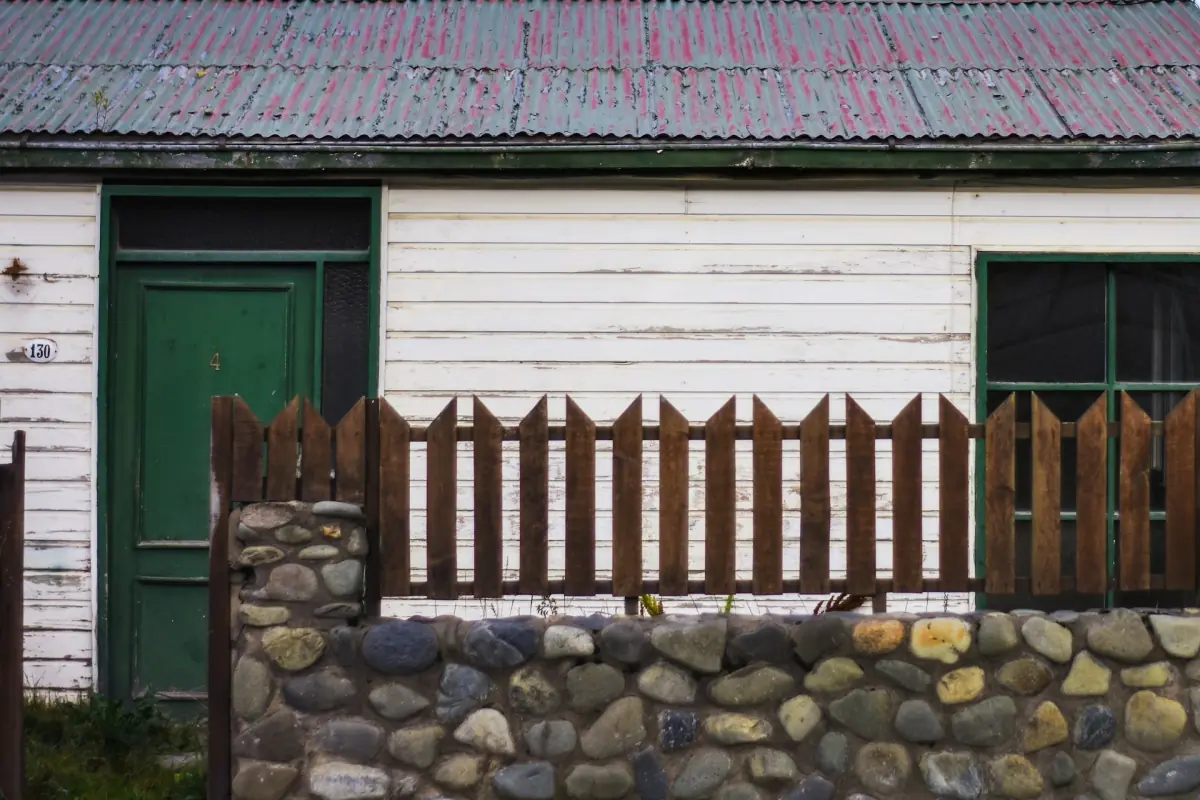
A historical walk gives the buildings a context beyond their appearance. The assigned walking tour meets at Ushuaia’s Civic Plaza and includes the Old City Museum and Beban House. Its listed duration is two and a half hours. Choose this approach if you want a city visit organised around the past rather than a succession of landscape stops. The historic-house visit is the focus; the product is not an independent specialist architecture tour.
The bay was a Yámana settlement area before European settlement. Later milestones include the mission established in 1869 and the formal founding of the city in 1884. Keep that longer history in mind when looking at buildings associated with the later town. The Ushuaia history page explains the sequence without treating the waterfront as a place whose history began with its European buildings.
Craft market and time for the town
The craft market occupies the Maipú and Lasserre area, a useful point to include in a waterfront plan. Give it its own place in the day rather than treating it as an included stop on every excursion. A market visit, a historical house and a train ride are different activities, and the ticket for one need not cover the others. Opening arrangements matter most when you are fitting the city around a ship call or an afternoon excursion.
For a self-directed visit, choose the cultural stops you most want to see before committing the rest of the day. Do not attach a museum identity to every wooden house you photograph. Historic buildings can be appreciated for their visible details while named museum visits remain specific destinations. If you are staying overnight, the guide to accommodation locations helps relate your base to the harbour and the central streets.
The city train is a separate experience
The panoramic city train provides a one-hour city ride with an English and Spanish audioguide and a cup of coffee. It starts at Comodoro Augusto Laserre 10. Pickup and drop-off are excluded, so make your own way to that meeting point. This is a way to organise a city overview, not a rail journey through the national park. Choose it for the town-focused outing it offers.
The End of the World Train departs from a station outside Ushuaia and travels through the Pipo Valley towards the park. Similar train terminology can obscure this distinction when planning. If your interest is prison railway history and a landscape ride, reserve time for that separate excursion; if you want to stay with the urban visit, the city train belongs in this itinerary.
Add the national park without losing your return plan
The combined city and park shore excursion lasts five hours. Its meeting point is outside the cruise port exit, and its included services are an English or Spanish-speaking professional guide, an air-conditioned vehicle and a snack. It is not a general hotel pickup service. Coordinate the meeting instructions with your ship call and keep the scheduled start even if the vessel arrives early.
For a day centred on Lapataia and Acigami rather than the city, use the national park guide. Patagonian wind and rapid weather changes can affect outdoor plans; walks or boat additions may be changed or cancelled. Keep warm, waterproof clothing available and preserve some flexibility. A city day works more coherently when the cultural visit is the main plan and a substantial excursion is a deliberate choice, rather than an extra squeezed between fixed departures.
Frequently asked questions
Which train stays in Ushuaia?
The panoramic city train is the one-hour urban ride. The End of the World Train uses a station outside town and follows a different route.
Where does the walking tour start?
At Ushuaia’s Civic Plaza. Its inclusions name the Old City Museum and Beban House.
Does the city and park shore excursion collect from hotels?
The assigned shore excursion meets outside the cruise port exit. Arrange your arrival there according to the meeting instructions.