
Ushuaia history begins with an inhabited bay
Ushuaia history should begin with the Yámana people, whose settlement around the bay preceded European establishment. The channel was not an empty landscape waiting for a town. Keeping that starting point in mind changes how you read the waterfront: the mission, government buildings, port works and tourist railway belong to later chapters of an already inhabited place. A useful historical visit connects those chapters without treating a single foundation date as the beginning of all human presence.
Ushuaia stands between the Beagle Channel and the Andes. The municipal description also uses Onashaga for the channel, bringing an indigenous name into the way the landscape is described. Today the city is the provincial capital and the base for channel excursions. For a visitor, that combination makes the waterfront a practical starting point: it brings the city's present role into view before you turn to the mission and the development of the harbour.
The port authority's account places the mission settlement on the southern side of the bay, in today's Barrio La Misión. That historical location is useful context rather than a reason to rank present-day neighbourhoods. When planning a visit, keep the historical places you want to understand separate from choices about accommodation or transport. The Ushuaia city visit guide links the cultural stops with the wider day in town.
Mission, city foundation and the waterfront
Waite Stirling established the mission in 1869. The formal foundation of the city is dated to 12 October 1884, associated with Augusto Lasserre's expedition and the inauguration of the Subprefectura. These dates describe different developments. Reading them together helps distinguish a mission settlement from the later formal foundation, while leaving the earlier Yámana presence in its proper place within the story.
A historical walk is a way to give the city's buildings more context than a quick photograph can provide. The outing presented here starts at Civic Plaza and lasts two and a half hours. Its included visits are the Old City Museum and Beban House. Choose it for that city-history focus, then leave a separate part of your itinerary for the railway or the channel. A walking tour through historic houses and a boat excursion answer different interests.
Our pick: historic walk
This walk visits the Old City Museum and Beban House.
Hand-picked tours, booked through Viator. Prices are indicative starting prices in US dollars (as of October 2026). Tap a tour for live availability and the current price in your currency.
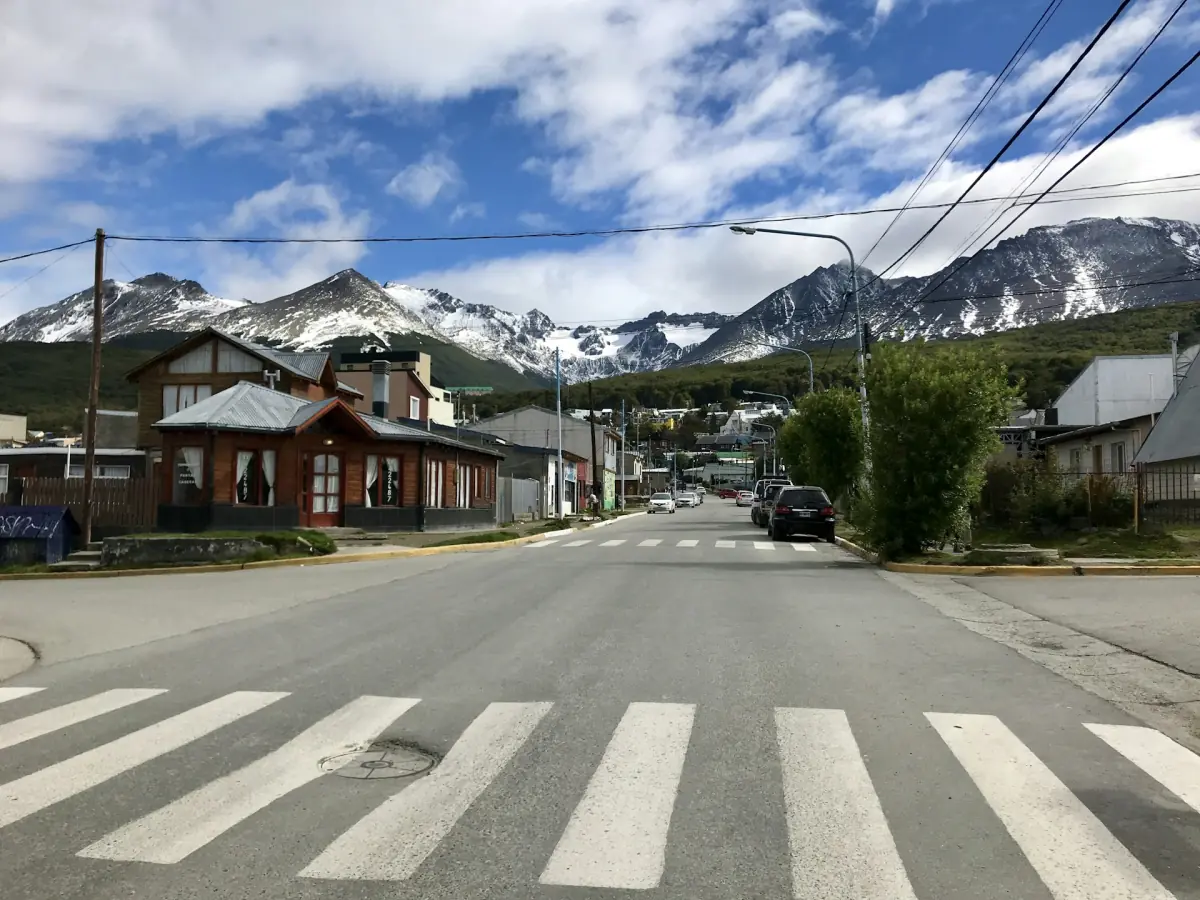
Explore the city's historic houses on foot
A historical walking tour from Civic Plaza includes the Old City Museum and Beban House, connecting the buildings with a visit through Ushuaia.
Harbour development and prison labour
The port chronology identifies 1937 as the start of a larger expansion. It also describes prisoners working in quarrying and transporting stone. This adds a labour history to a waterfront now used for visitor departures. When looking at the port, consider both its function as transport infrastructure and the work described in its construction story, rather than seeing it only as the meeting point for the next excursion.
The former prison railway carried timber and stone from Monte Susana to the prison. Today's tourist railway interprets that history through a different kind of journey. The End of the World Train guide explains the Pipo Valley route and the starting station outside Ushuaia. It is a separate experience from the city train. A city ride and a railway journey toward the national park should therefore occupy distinct places in your plan.
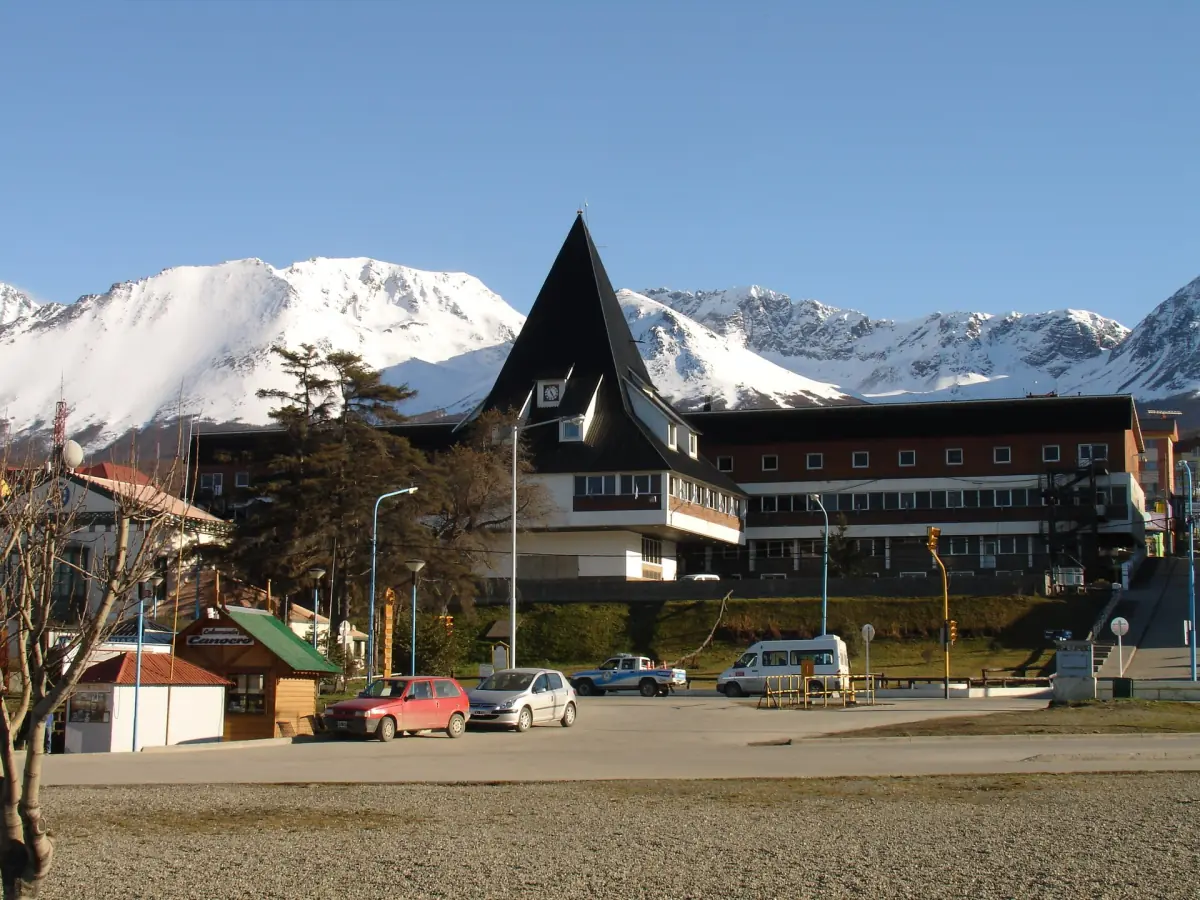
Historic houses, museums and the channel landscape
Use the historic houses as places to pause and explore the urban story. Beban House and the Old City Museum are included in the historical walking outing; the listed meeting arrangements begin at Civic Plaza. The buildings give this visit a different focus from scenery-based excursions. Plan around the actual visits you want rather than trying to combine every cultural stop and a distant outdoor trip into a single unbroken schedule.
The channel also holds material traces interpreted on some island walks, including Yámana shell middens. A specific island-walk route is different from a general channel sailing, so do not treat every boat ticket as access to archaeological places. Les Éclaireurs lighthouse was built in 1920 and is a separate landmark from San Juan de Salvamento. For an outing on the water, the channel cruise guide explains route and boat differences without turning a lighthouse view into an entry visit.
For a history-focused stay, begin with the bay's indigenous context, use a city walk for the houses and later urban development, and add the railway if its labour history interests you. This sequence lets each place contribute something specific. It also keeps historical interpretation separate from transport logistics: the city's excursions have different starting points and services, even when they share part of the same historical landscape.
Questions about the city's past
Was the bay inhabited before the mission?
Yes. The Yámana people lived around the bay before European establishment. The mission date is not the beginning of human presence here.
How do the mission and foundation dates differ?
The mission was established in 1869. The formal city foundation and inauguration of the Subprefectura are dated to 12 October 1884.
Is the historical walking outing the same as the railway visit?
The walking outing starts at Civic Plaza and includes the Old City Museum and Beban House. The End of the World Train starts outside the city and interprets the former prison railway.